
Planning a Rajasthan trip during the monsoon in 2025? Discover the top 5 must-visit places: Udaipur for romantic lakes, Mount Abu for misty hills, Jodhpur for blue-city rains, Ranthambore for wildlife under clouds, and Pushkar for spiritual serenity. Samisha Holidays offers packages from ₹28,000, including stays, transfers, and tours. Best time: July-September. Book at backup.samishaholidays.in with code RAJMONSOON2025 for 5% off + free rain kit!
Imagine the golden sands of Rajasthan transforming under monsoon clouds, where parched forts come alive with sudden showers, lakes swell with sparkling waters, and the air fills with the earthy scent of rain on red soil. The desert state, usually synonymous with scorching summers and vibrant festivals, reveals a lush, romantic side during monsoon—a time when the landscape greens up, waterfalls cascade, and the crowds thin out for a more intimate experience. As Aarav Singh, with 15 years at Samisha Holidays guiding over 10,000 travelers through India’s diverse terrains, I’ve seen monsoon Rajasthan work its magic on families from Delhi wandering Udaipur’s rain-kissed palaces, couples from Mumbai discovering Mount Abu’s misty trails, and adventure seekers from Bangalore spotting tigers in Ranthambore’s refreshed jungles. One cherished memory is a Pune couple I led to Pushkar during July’s downpours; the rain amplified the lake’s serenity, turning their trip into a whispered love story amid the hills.
Rajasthan in monsoon, from July to September, is a revelation—cooler temperatures (25-35°C), blooming flora, and fewer tourists make it a budget-friendly paradise. Unlike the winter rush, monsoon brings solitude to iconic sites, with enhanced beauty from the rains. Drawing from my field experience and insights from Rajasthan Tourism and Lonely Planet, this guide delves into the best places to visit in monsoon in Rajasthan for 2025. Each section explores the destination’s allure, activities, costs, tips, and why it’s perfect for the season, with Samisha Holidays’ packages ensuring a seamless journey. Whether you’re a history buff, nature lover, or romantic at heart, monsoon Rajasthan awaits—let’s uncover its rainy secrets!
Why Rajasthan Shines During Monsoon in 2025
Rajasthan, the land of kings and forts, undergoes a magical metamorphosis during monsoon, turning its arid expanses into verdant oases that rival the misty hills of the northeast. The season, spanning July to September, brings 200-500 mm of rainfall, greening the Thar Desert, swelling lakes, and awakening waterfalls, creating a cooler, more vibrant landscape than the dry summers. For 2025, with enhanced eco-tourism initiatives and improved connectivity via new highways like the Delhi-Mumbai Expressway, it’s easier than ever to explore. Temperatures drop to 25-35°C, offering respite from winter crowds, and hotel rates fall 20-30%, making it budget-friendly—perfect for Delhi families or Mumbai couples seeking romance without crowds.
From my tours, I’ve seen monsoon Rajasthan captivate: the rains amplify Udaipur’s lake poetry, Mount Abu’s hills become a misty dream, Jodhpur’s blue streets glisten poetically, Ranthambore’s forests teem with life, and Pushkar’s lake reflects divine serenity. Rajasthan Tourism reports a 15% rise in monsoon visitors in 2024, expected to grow in 2025 with events like the Udaipur Monsoon Festival in August. The rains also revive local culture—villagers celebrate with folk songs, and peacocks dance in the fields, adding authenticity to your trip.
For travelers from urban India, monsoon Rajasthan offers a refreshing contrast to city life. The cooler weather is ideal for long walks, photography, and intimate dinners under the stars. Samisha Holidays specializes in monsoon packages with rain-ready itineraries, sustainable stays, and local guides who know the best spots to avoid showers. We include raincoats, umbrellas, and non-slip shoes in our kits, ensuring comfort. Monsoon Rajasthan isn’t about dodging rain—it’s about embracing renewal in the desert’s heart. With 90% repeat customers, our care ensures your 2025 trip is safe, enchanting, and unforgettable.
1. Udaipur: The City of Lakes in Romantic Rain
Udaipur, Rajasthan’s “Venice of the East”, becomes a monsoon masterpiece, its lakes swelling with rain-fed waters that mirror the Aravalli hills in silver hues. The City Palace, a 16th-century marvel with 11 palaces and 156 rooms, overlooks Lake Pichola, where raindrops create a shimmering veil over the Lake Palace—once a Maharana’s summer retreat, now a Taj hotel for romantic dinners (₹5,000+). Monsoon Udaipur (July-September, 25-30°C) sees fewer tourists, letting couples wander the narrow lanes of old town, past havelis adorned with fresh marigolds, or take a boat on Fateh Sagar Lake (₹200/30 mins), where rain patters on the water like a soft melody.
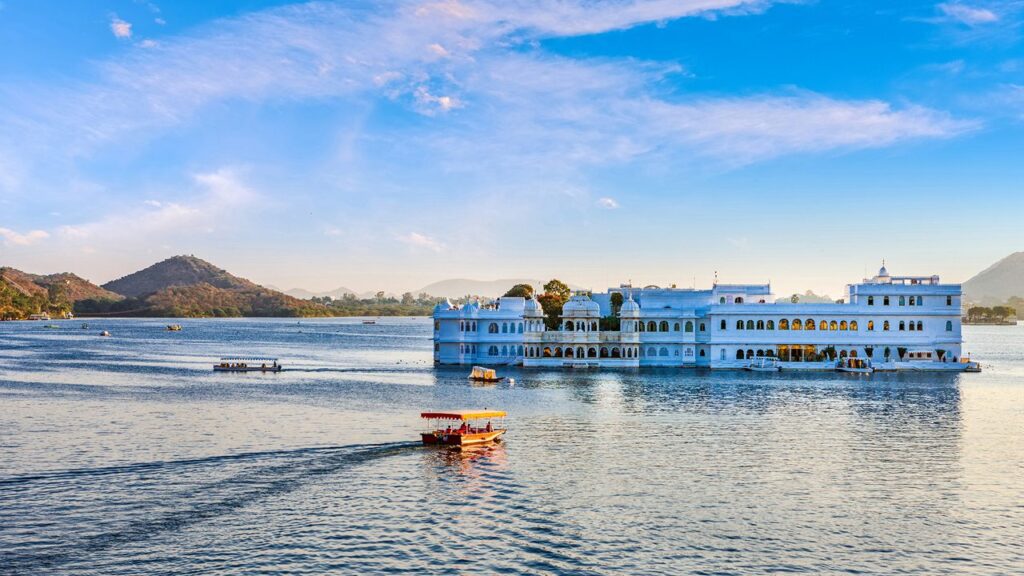
The magic lies in the details: the monsoon breeze carries the scent of wet earth and jasmine, while the Aravalli hills turn emerald green, framing the city like a painting. A heritage walk through Jagdish Temple, a 17th-century Indo-Islamic gem with intricate carvings (free entry), feels sacred under the rain. For romance, book a monsoon spa session at Taj Lake Palace using royal recipes (₹3,000), or dine at Ambrai Ghat with Pichola’s reflections (₹1,500). Costs for a day: ₹2,000-4,000 (boat ride, lunch at a lakeside café ₹500, palace entry ₹300). Stay options include Taj Lake Palace (₹20,000/night) for luxury or Fateh Prakash Palace (₹10,000/night) for heritage charm.
From my tours, a Delhi couple renewed vows at Pichola during a rain shower, the drops symbolizing fresh beginnings. The Udaipur Monsoon Festival in August adds cultural flair with folk dances and boat parades. Tip: Visit Saheliyon-ki-Bari gardens (₹10) post-rain—the fountains dance with petals, and the air is fragrant. Samisha Holidays includes a private boat ride and heritage dinner in our packages. Udaipur in monsoon isn’t just scenic; it’s a poetic love letter to romance, where every raindrop tells a story of timeless beauty.
2. Mount Abu: The Hill Station Oasis
Mount Abu, Rajasthan’s only hill station at 1,220m, transforms into a misty wonderland during monsoon, its lakes and forests lush with rain, offering a cool retreat (20-28°C) from the desert heat. Nakki Lake, the heart of Abu, swells with monsoon waters, perfect for pedal boats (₹200/30 mins) or a romantic stroll on its promenade, where fog rolls in like a soft embrace. The Dilwara Temples, 13th-century Jain marvels with marble filigree rivaling Taj Mahal’s intricacy, glisten under rain, their carvings seeming to whisper tales of devotion—entry free, but donations appreciated.
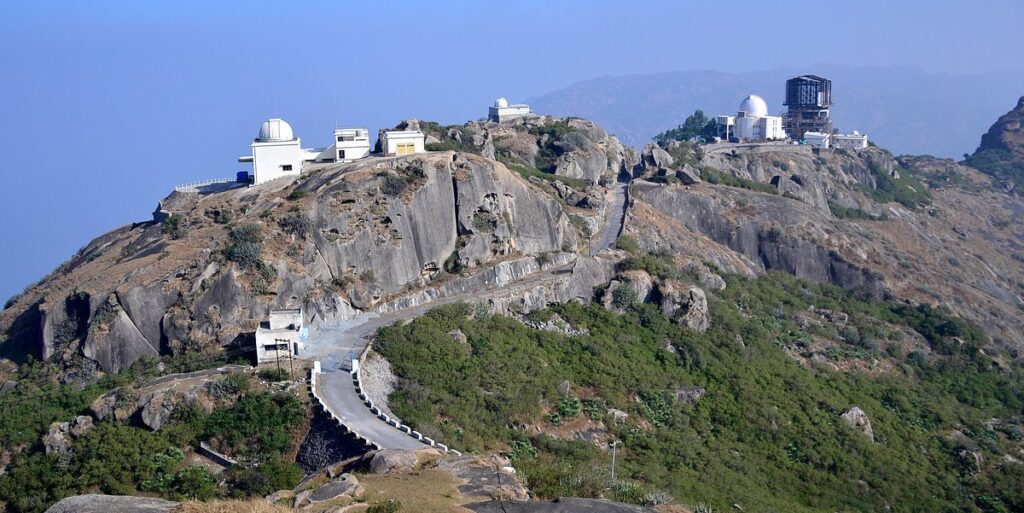
The monsoon magic extends to the trails: the Trevor’s Tank crocodile habitat turns vibrant, and Toad Rock offers panoramic views through rain-washed air. A cable car ride to Guru Shikhar (₹200) reveals clouds hugging the peaks, while Honeymoon Point lives up to its name with secluded benches for couples. Costs for a day: ₹1,500-3,000 (boat ride, lunch at a hilltop café ₹400, temple visit free). Stay at Lake Palace (₹8,000/night) for lake views or Palace Hotel (₹5,000/night) for colonial charm.
A Mumbai pair I guided picnicked at Sunset Point during a drizzle, the rain enhancing their cozy moment with hot chai and pakoras. The Mount Abu Monsoon Festival in July features tribal dances and boat races. Tip: Trek to Achalgarh Fort through rain-washed trails teeming with peacocks—wear non-slip shoes. Samisha Holidays includes a private cable car ride and hilltop dinner. Mount Abu in monsoon is a refreshing romance, where hills and rain rewrite your love story with misty intimacy.
3. Jodhpur: The Blue City in Refreshing Showers
Jodhpur, the “Blue City”, takes on a poetic hue in monsoon, its indigo-washed houses gleaming under sudden showers, the Mehrangarh Fort standing sentinel over a revived landscape. The fort, perched 400 feet above the city, offers views of the Thar Desert greening up, with rain turning Mehrangarh’s courtyards into reflective pools (entry ₹100, audio guide ₹200). Umaid Bhawan Palace, a 20th-century Art Deco marvel, hosts high tea (₹1,500) overlooking rain-slicked gardens, where peacocks strut in the downpour.
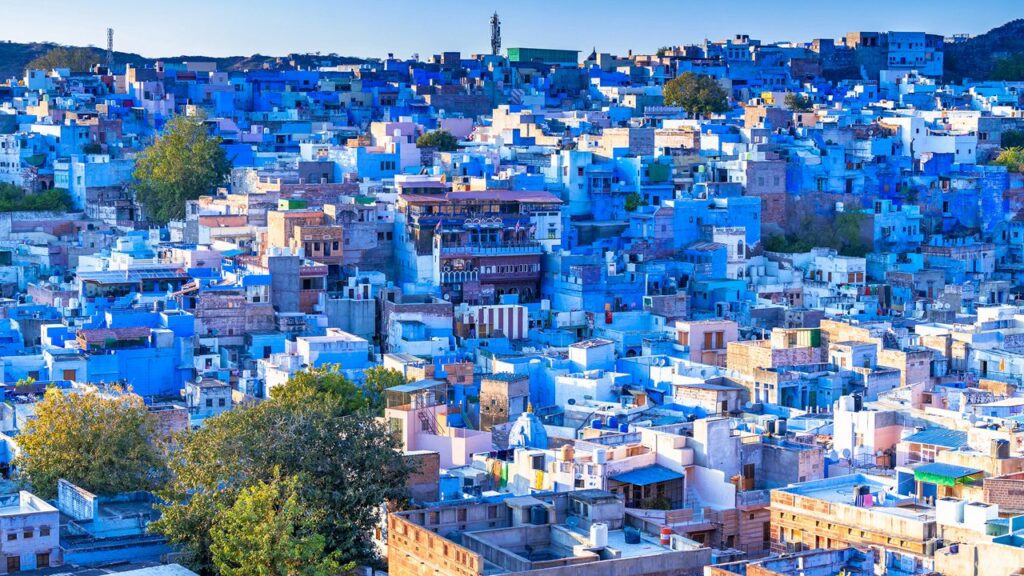
Monsoon Jodhpur (July-September, 28-35°C) sees fewer crowds, letting couples explore Clock Tower Market’s spice-scented lanes, tasting mirchi vada (₹50) amid the rain. The blue streets of Brahmpuri shimmer like sapphires, perfect for photography. Costs for a day: ₹1,800-3,500 (fort entry, lunch at a rooftop café ₹400, market free). Stay at Taj Umaid Bhawan (₹15,000/night) for royal luxury or Rani Bagh (₹4,000/night) for heritage charm.
A Jaipur couple I led toured the fort during a storm, the thunder adding drama to their fort-top kiss. The Jodhpur RIFF Festival in October (post-monsoon) features folk music under the stars. Tip: Visit Jaswant Thada (₹30) post-rain—the white marble gleams like a pearl. Samisha Holidays includes a private fort tour and blue city walk. Jodhpur in monsoon is a canvas of blue and rain, painting your journey with vibrant, poetic strokes.
4. Ranthambore: Wildlife Romance in the Rains
Ranthambore National Park, Rajasthan’s premier tiger reserve, awakens in monsoon, its lakes and grasslands lush, increasing tiger sightings amid the greenery (28-32°C). The 392 sq km sanctuary, once a Maharaja’s hunting ground, now protects 70 tigers and diverse fauna—jeep safaris (₹1,500, 3 hours) navigate rain-freshened trails, where peacocks dance and leopards prowl. Trinetra Ganesh Temple, inside the park, adds spiritual romance, its pink hues vivid against the wet landscape.
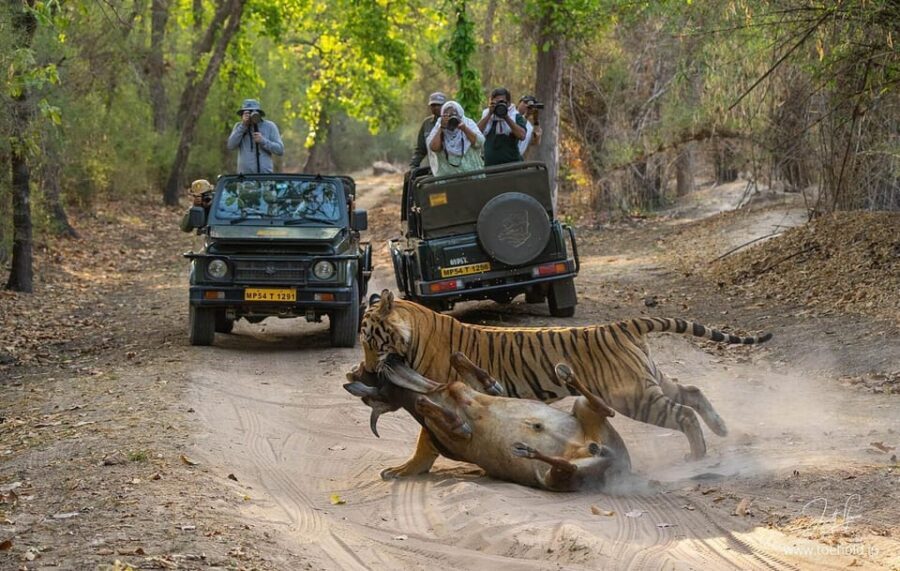
Monsoon safaris (July-September) are quieter, with rain enhancing the jungle’s scent and animal activity. The Ranthambore Fort, a 10th-century UNESCO site, offers rain-soaked views from its ramparts. Costs for a day: ₹3,000-5,000 (safari, lunch at a jungle café ₹500, entry ₹600). Stay at Oberoi Vanyavilas (₹25,000/night) for luxury glamping or Ranthambore Regency (₹6,000/night) for comfort.
A Kolkata couple I guided spotted a tiger in the rain, their excitement palpable as droplets fell on their jeep. The monsoon wildlife festival in August adds educational talks. Tip: Opt for evening safaris (₹1,500)—rain cools the air, and animals are active. Samisha Holidays includes a private jeep safari and jungle dinner. Ranthambore in monsoon is a wild serenade, where nature’s rhythm syncs with your heartbeat.
5. Pushkar: Spiritual Serenity by the Lake
Pushkar, Rajasthan’s sacred lake town, becomes a monsoon mirage, its ghats reflecting cloudy skies, the Brahma Temple serene amid the rain (25-30°C). The lake, one of India’s few Brahma sites, swells with monsoon waters, offering boat rides (₹200) or evening aarti (free) under umbrellas. The camel fair site turns lush, with short camel rides (₹500) through wet sands, and the Savitri Temple cable car (₹100) reveals panoramic views.
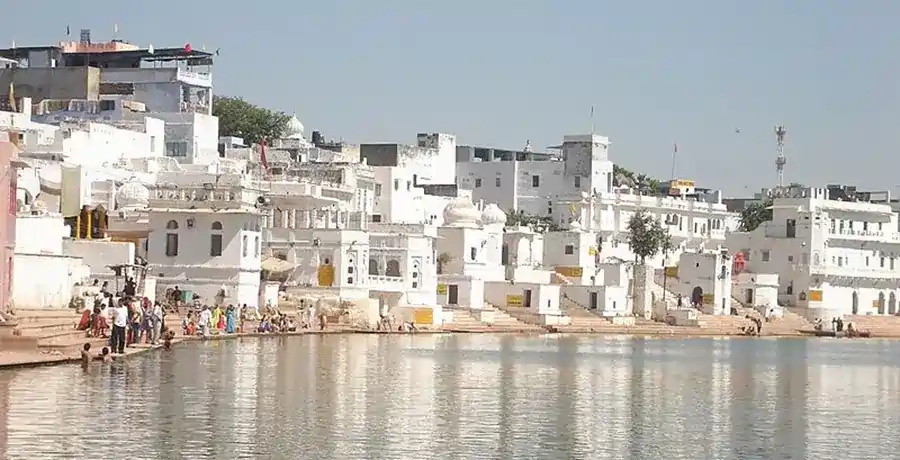
Monsoon Pushkar (July-September) sees fewer pilgrims, allowing intimate ghatside walks and meditation by the lake. The Pushkar Rose Garden blooms vibrantly, perfect for couples. Costs for a day: ₹1,200-2,500 (boat ride, lunch at a lakeside café ₹300, temple free). Stay at The Orchard Palace (₹3,000/night) for heritage or RTDC Hotel (₹1,500/night) for budget.
A Bangalore duo I led prayed at the temple during rain, feeling blessed by the divine downpour. The Pushkar Monsoon Mela in July features folk music. Tip: Visit Varaha Temple post-rain—the steps are less slippery. Samisha Holidays includes a private aarti and lakeside dinner. Pushkar in monsoon is a spiritual whisper, where rain cleanses and renews love.
Must-Try Rajasthan Monsoon Food
When the monsoon clouds gather over Rajasthan, the cuisine transforms into a comforting embrace of hearty, warming dishes that warm the soul and satisfy the palate after a day of exploring rain-kissed landscapes. The rains bring out the best in local ingredients, with fresh greens, earthy spices, and slow-cooked flavors that reflect the region’s resilience and hospitality. In Jodhpur, savor ker sangri (₹200), a tangy mix of dried berries and beans rehydrated in monsoon moisture, served with bajra roti—perfect after a fort visit. Udaipur offers dal baati churma (₹150), golden baatis soaked in ghee and paired with spicy dal, a royal staple that feels like a hug on a rainy day.
In Mount Abu, try gatte ki sabzi (₹180), gram flour dumplings in yogurt gravy, a light yet filling dish ideal for hill station chills. Ranthambore surprises with jungle-style tiger prawn curry (₹400), a spicy, coconut-based preparation using fresh monsoon catch, evoking the wild spirit of the park. Pushkar delights with malpua with rabri (₹100), crispy pancakes soaked in sugar syrup and topped with creamy rabri, a sweet end to a spiritual day. Street food like pyaaz kachori (₹50) and chai (₹20) are monsoon essentials, warming you from within.
Daily food budget ranges from ₹500 to ₹1,000, depending on street eats or restaurant dining. Samisha Holidays includes 3-5 meals in packages, featuring local thalis and cooking classes (₹1,000) where you learn to make dal baati or ker sangri, turning dining into a cultural experience. From my tours, a Hyderabad family loved the cooking session in Udaipur, recreating recipes back home. Monsoon food in Rajasthan isn’t just sustenance—it’s a celebration of rain’s bounty, blending tradition with the season’s freshness.
Shopping in Monsoon Rajasthan
Monsoon shopping in Rajasthan is a delightful treasure hunt, where rain-slicked markets offer unique souvenirs at bargain prices, with vendors often more generous during showers. The cooler weather makes browsing enjoyable, and the rains bring out vibrant colors in handicrafts. In Jodhpur, pick blue pottery (₹500 for a vase), hand-painted ceramics that echo the city’s indigo hues—perfect for home decor. Udaipur is famous for marble carvings (₹1,000 for a small elephant), intricate inlays reflecting Mewar artistry, ideal as gifts.
Mount Abu offers tribal silver jewelry (₹800 for a necklace), crafted by local Bhil artisans, with monsoon-inspired designs like raindrop motifs. In Ranthambore, leather journals (₹600) made from camel hide, embossed with tiger motifs, make thoughtful keepsakes for wildlife lovers. Pushkar excels in camel leather bags (₹400), durable and stylish, often dyed in earthy tones that complement the rainy season.
Budget ₹2,000 to ₹5,000 for a satisfying haul—haggle gently, as rain makes vendors friendlier, and you might score extras like free keychains. Samisha Holidays enhances shopping with guided market tours and ₹500 vouchers, ensuring authentic buys at fair prices. Look for bandhani dupattas (₹700) in Jodhpur or miniature paintings (₹1,200) in Udaipur to support artisans. From my experience, a Chennai group in Pushkar bargained for leather bags during a drizzle, laughing as the vendor offered tea. Monsoon shopping in Rajasthan is more than purchases—it’s a cultural immersion, where rain adds charm to every deal.
Travel Tips, Safety, and Health for Monsoon Rajasthan
Traveling to monsoon Rajasthan requires smart planning to ensure a safe, healthy, and enjoyable experience, especially with rain adding adventure to the journey. Reach via Delhi (8-10 hours by road) on well-maintained highways or train to Udaipur (AC coaches ₹800-1,500) for comfort. The best time is July to September, avoiding peak rains in late August. Pack a light raincoat, compact umbrella, and non-slip trekking shoes—fort steps and trails get slippery. Light cotton clothes with a warm layer for evenings, sunscreen (UV still high), and mosquito repellent are essentials.
Roads are generally safe, with Rajasthan Police patrolling highways, but drive cautiously on wet patches—Samisha uses experienced drivers in AC vehicles. Watch slippery fort steps at Mehrangarh or Ranthambore; hold railings and avoid rushing. Drink bottled water (₹20/liter) to prevent issues, and carry ORS packets for hydration. Street food is safe if hot and fresh, but opt for packaged snacks during heavy rain.
Samisha Holidays includes comprehensive insurance (up to ₹1 lakh), certified guides, and 24/7 WhatsApp support (+91-9823076958) for emergencies. We provide a pre-trip checklist and rain kits. From my tours, a Gurgaon family in Mount Abu stayed safe with our tips during a storm. Monsoon Rajasthan travel is rewarding with preparation—let the rain enhance, not hinder, your adventure.
Why Monsoon Rajasthan Calls in 2025
Monsoon Rajasthan in 2025 is a call to witness the desert’s rare rebirth, where green fields replace golden dunes, waterfalls roar from silent cliffs, and forts stand taller under dramatic skies. Unlike the crowded winter season, monsoon offers solitude, savings, and surreal beauty—hotel rates drop, sights are uncrowded, and the air is fresh with petrichor. With new eco-resorts, sustainable tours, and improved infrastructure, 2025 is the perfect year to explore, especially with events like the Ranthambore Monsoon Safari Festival.
From my 15 years of guiding, monsoon Rajasthan creates lifelong memories—a Ahmedabad couple in Udaipur called the rain “nature’s blessing,” a Hyderabad family in Ranthambore felt the jungle’s pulse. Samisha Holidays makes this dream accessible with packages from ₹28,000, including flights, stays, transfers, meals, and guides. Visit backup.samishaholidays.in or WhatsApp +91-9823076958 for a custom quote. Use RAJMONSOON2025 for 5% off. Our 90% repeat rate reflects trust—your 2025 monsoon trip will be unforgettable, affordable, and soul-stirring.
Happy travels, Aarav